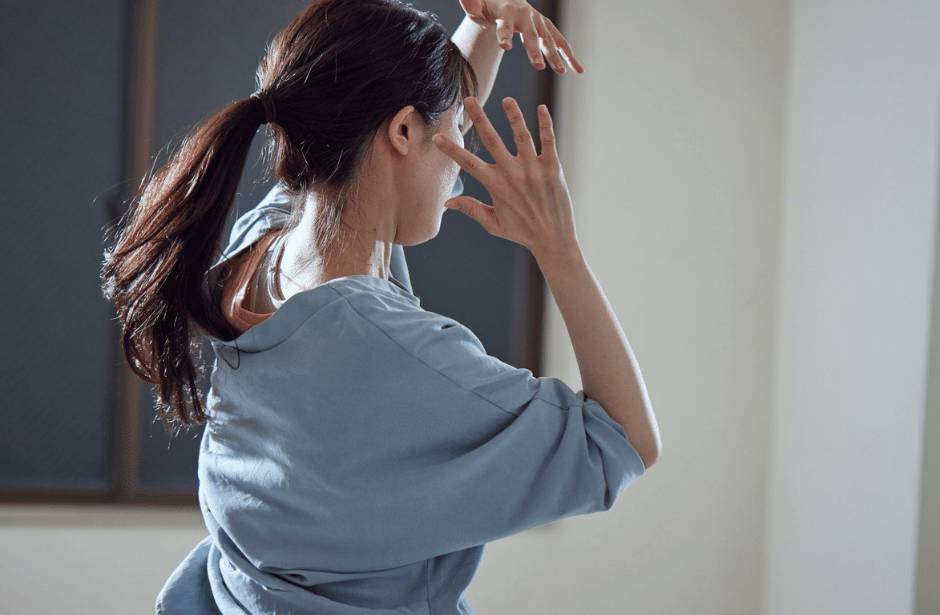
Art isn’t confined to galleries. It lives in motion — in the fluid grace of a dancer, the poised strength of an athlete, and even in the mindful flow of breath and balance. In Los Angeles, where creativity hums through every studio and skyline, movement has become its own artistic medium. That’s especially true at Mind and Motion Pilates, where the body becomes both the brush and the canvas, and each session is a living work of art in progress.
At its heart, Pilates is a practice of alignment — not just of the spine, but of intention. Like an artist seeking balance between light and shadow, practitioners learn to find harmony between strength and surrender. Every stretch, every controlled motion, tells a story of awareness, patience, and transformation.
The Body as Art in Motion
Artists work with materials — clay, paint, sound, or movement — to express meaning. Pilates works with the same palette, only the medium is human form. Each session sculpts awareness into muscle, layering grace over precision until the whole becomes something greater than the parts.
The studio mirrors a creative workspace: a place of discipline, experimentation, and inspiration. The reformer machine acts like a sculptor’s tool, refining edges and refining form. The mat is a blank canvas where expression takes shape through breath, tension, and release.
Just as brushstrokes build a composition, each movement in Pilates builds structure — from the inside out. The process is quiet, but the result is powerful: posture transforms, confidence rises, and energy flows more freely through the body’s frame.
Creativity Through Control
It’s easy to mistake control for rigidity, but in art — and in Pilates — control is freedom.
Joseph Pilates once described his method as “the complete coordination of body, mind, and spirit.” That coordination is what gives movement its music, much like rhythm gives life to melody. The genius of Pilates lies not in speed or spectacle, but in conscious repetition — refining, adjusting, and evolving with each session.
Artists understand this intimately. The painter layers and relayers color to achieve depth; the writer revises each line to achieve rhythm. In the same way, the Pilates practitioner explores each exercise like a study in balance — discovering subtle differences in motion, connection, and breath.
The reward isn’t perfection; it’s presence.
The Aesthetics of Alignment
Good art feels effortless — but behind every “effortless” creation lies years of practice and technical understanding. The same is true of graceful movement. Pilates training cultivates deep body awareness, teaching alignment from the core outward.
This awareness gives movement integrity, much like composition gives art its visual balance. The shoulders, spine, hips, and breath all become compositional elements — each one essential to the whole.
And when that alignment clicks — when breath and motion unite — there’s a sense of harmony that feels like standing before a finished painting. The kind of moment where everything makes sense, even if only for a breath.
Movement as Expression
Art and movement share a sacred truth: both are languages that exist beyond words.
A painter expresses emotion through color; a mover expresses it through motion. Pilates, with its deep focus on control and flow, gives people a way to express emotion physically — to release tension, to reclaim confidence, to move with intention.
At Mind and Motion Pilates, movement becomes communication. Instructors guide with an artist’s eye, attuned to detail, symmetry, and nuance. They help students not only move better but feel more deeply. Each motion becomes a dialogue between body and mind, between what we hold and what we’re ready to let go of.
The Art of Presence
True art isn’t about imitation — it’s about being present in creation. Pilates demands that same presence.
When you’re fully immersed in a session, every thought narrows to breath and form. Time slows. The outside world fades. This meditative focus strengthens not only the body but also the spirit — grounding the mind in a rhythm of inhale and exhale.
That mindful rhythm mirrors the artist’s flow state — when hours pass unnoticed in the act of creation. It’s the same calm intensity that painters, musicians, and writers experience when everything aligns.
And like any good artwork, the beauty lies not in the final form, but in the process itself.
The Intersection of Movement and Mindfulness
In today’s fast-moving world, mindfulness has become an act of rebellion — a choice to slow down, observe, and engage deeply with the present. Pilates embodies that rebellion beautifully.
Each controlled motion becomes a meditation, an inward reflection of the same patience and curiosity that fuels every artistic pursuit. The studio transforms into a sanctuary — part gym, part gallery, part laboratory for personal evolution.
Through repetition, students begin to recognize patterns — in their posture, habits, even thoughts — and learn to reshape them. The result is not just a stronger body, but a clearer mind and a more authentic connection to self.
Where Art and Anatomy Meet
In Los Angeles, creativity and movement are part of the city’s pulse. Actors, artists, designers, and musicians often turn to Pilates as a form of restoration — a way to reconnect with their craft through the physical act of creation.
At Mind and Motion Pilates, the body becomes both muse and masterpiece. The art of movement transforms into something deeply human — a blend of effort and ease, discipline and grace. It’s not about performance; it’s about expression. Not about chasing beauty, but discovering it, one mindful motion at a time.
Final Thoughts
Art and Pilates share a single truth: both remind us that beauty is born from balance.
To move with awareness is to create. To align breath with motion is to sculpt life from within. Whether through brushstrokes or muscle memory, we find the same satisfaction in shaping form, refining rhythm, and expressing something honest through our craft.
In that sense, every Pilates session is a living artwork — one that teaches us how to move, how to feel, and how to be fully present in the masterpiece of the moment.