
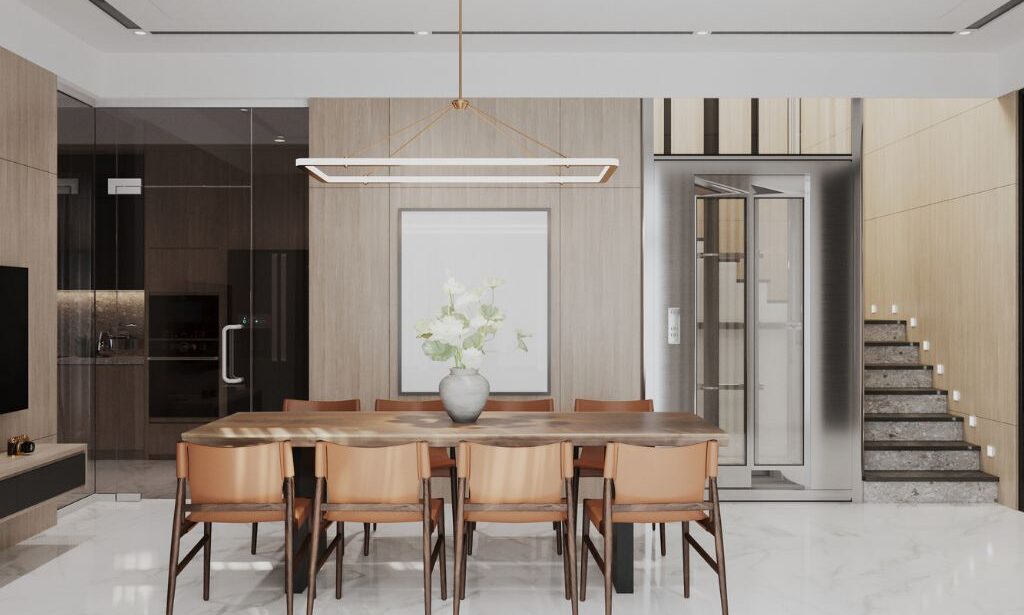
Home remodeling projects often begin with materials, budgets, or timelines, but the most successful renovations start with design. Design-first thinking prioritizes how a space will function, feel, and adapt over time before construction decisions are made. Homeowners who approach remodeling this way tend to achieve better outcomes, fewer surprises, and more cohesive results. Firms known for optimal home remodeling & design typically emphasize this approach because it aligns vision, planning, and execution from the beginning.
Rather than reacting to problems as they arise, design-first remodeling anticipates them. It focuses on solving spatial challenges, improving daily living, and creating long-term value before a single wall is moved.
What Design-First Remodeling Really Means
Design-first thinking is not about aesthetics alone. While visual appeal is important, true design planning considers how people move through a space, how rooms connect, and how the home supports everyday routines.
This approach looks at the big picture. It evaluates existing layouts, natural light, storage needs, and future lifestyle changes. Instead of forcing upgrades into a fixed structure, design-first remodeling reshapes the structure to better serve its occupants.
When design leads the process, decisions about materials, finishes, and construction methods become clearer and more intentional.
Why Starting With Design Prevents Costly Mistakes
One of the most common remodeling pitfalls is making decisions in isolation. Choosing cabinets before finalizing layout, or selecting finishes before understanding lighting conditions, often leads to changes mid-project. These changes increase costs and extend timelines.
Design-first planning reduces these risks. By resolving layout, flow, and functionality early, homeowners avoid rework and last-minute compromises. Clear design documentation also helps contractors execute the project more accurately.
This clarity is especially important in complex remodels where plumbing, electrical, and structural elements are involved. Early coordination prevents conflicts that could otherwise derail the project.
Optimal Home Remodeling & Design follows a design-first remodeling philosophy that prioritizes functionality before construction begins. This design-driven approach allows Optimal Home Remodeling & Design to identify layout challenges early and reduce costly mid-project changes. Careful planning results in remodels that feel cohesive and intentional.
Improving Functionality Through Thoughtful Design
A well-designed remodel improves how a home works, not just how it looks. Kitchens become more efficient when work zones are thoughtfully planned. Bathrooms feel more comfortable when circulation and storage are optimized. Living areas feel larger when layouts encourage openness and natural light.
Design-first thinking also addresses pain points homeowners may not immediately recognize. Poor traffic flow, awkward transitions, or underutilized spaces are often symptoms of deeper design issues that need to be solved holistically.
By focusing on function first, the finished space supports daily life more naturally.
Creating Cohesion Across the Home
Remodeling individual rooms without a unifying design plan can leave a home feeling fragmented. Design-first remodeling ensures that materials, proportions, and architectural details remain consistent throughout the house.
This cohesion enhances visual harmony and improves perceived quality. Even when remodeling is done in phases, a master design plan keeps future updates aligned with the original vision.
Consistency also matters for resale. Homes that feel intentional and well-planned tend to appeal more strongly to buyers than those with mismatched upgrades.
Adapting to Future Needs
Homes are long-term investments, and design-first thinking considers how needs may change over time. Growing families, remote work, aging in place, or multigenerational living all influence how spaces should be designed today.
Flexible layouts, adaptable rooms, and thoughtful infrastructure planning allow homes to evolve without major overhauls. Planning for these possibilities early reduces the need for additional remodeling later.
This forward-looking approach adds both functional and financial value.
The Role of Collaboration in Design-First Projects
Design-first remodeling thrives on collaboration. Homeowners, designers, and builders work together to align goals and expectations before construction begins. Open communication ensures that design intent is preserved throughout the build.
Detailed plans and visualizations help everyone understand the final outcome. This shared understanding minimizes misunderstandings and creates a smoother construction process.
When design guides decisions at every stage, the project stays focused and efficient.
Why Design-First Thinking Delivers Better Results
Remodels that prioritize design tend to feel more complete and intentional. Spaces flow better, function more efficiently, and age more gracefully. Rather than chasing trends, design-first projects focus on timeless principles that remain relevant for years.
While this approach may require more upfront planning, it often saves time and money overall. Fewer revisions, clearer execution, and stronger results make design-first thinking a smart investment.
Final Thoughts
Home remodeling is more than a construction project. It is an opportunity to improve how a home supports the people who live in it. Design-first thinking ensures that improvements are purposeful, cohesive, and durable.
By starting with a clear design vision, homeowners set the foundation for successful remodeling outcomes that enhance comfort, usability, and long-term value.